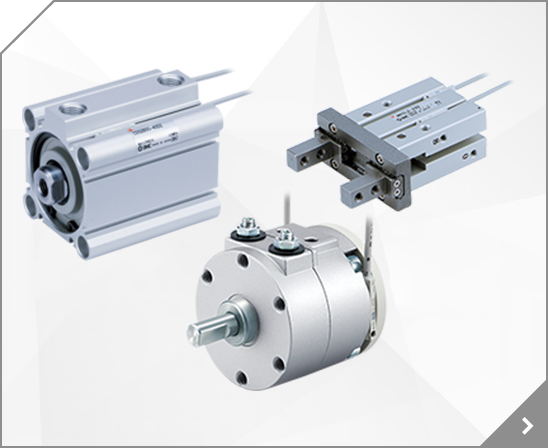


Cylinder (Tube) Inner Diameter(φ): 12, Stroke(mm): 16, Cylinder Operation Method: [Double Acting] Double Acting, Rod Operation Method: Single Rods, Main Body Shape: Standard, Additional Function: Standard, Environment, Applications: Standard, Cushion: Rubber bumper (standard), Operating Pressure(MPa): 0.08 to 1.0, Specification: Without magnet, Support bracket: None, Auto Switches: Without
Cylinder (Tube) Inner Diameter(φ): 10, Stroke(mm): 16, Cylinder Operation Method: [Double Acting] Double Acting, Rod Operation Method: Single Rods, Main Body Shape: Guided, Additional Function: High rigidity / high precision high class guide, Environment, Applications: Standard, Cushion: Rubber bumper at both ends, Operating Pressure(MPa): 0.15 to 0.7, Specification: Built-in magnet, Auto
Cylinder (Tube) Inner Diameter(φ): 32, Stroke(mm): 16, Cylinder Operation Method: [Double Acting] Double Acting, Rod Operation Method: Double rod, Main Body Shape: Standard, Additional Function: Standard, Environment, Applications: Standard, Cushion: Rubber cushion, Operating Pressure(MPa): 0.05 to 0.7, Specification: Without built-in magnet, Support bracket: Without auto switch mounting
Type: [Fitting] Pipe/Plug, Fitting Type: Other shapes, Body Material: [PBT Resin] PBT, Application: Standard/Mini, Shape: [Others] Sputtering Cover, Applicable Fitting Size (mm): 16, Applicable tube fitting size (inches): -
IBG: IBG, Type: 1 (Standard), Adjuster: 1 (with Adjuster), Supply Port: 12 (S Coupler: KK130P-03MS), Nozzle: 16 (Long Nozzle with a Silencer, 1000mm)
IBG: IBG, Type: 1 (Standard), Adjuster: 1 (with Adjuster), Supply Port: N (NPT3/8), Nozzle: 16 (Long Nozzle with a Silencer, 1000mm)
Size: 05 (3/16"), Roll Length: 16 (16m-50ft)
.: 12 (Ø12), Port Size/Applicable Tube: 16 (Tube A: Ø12, Tube B: Ø16)
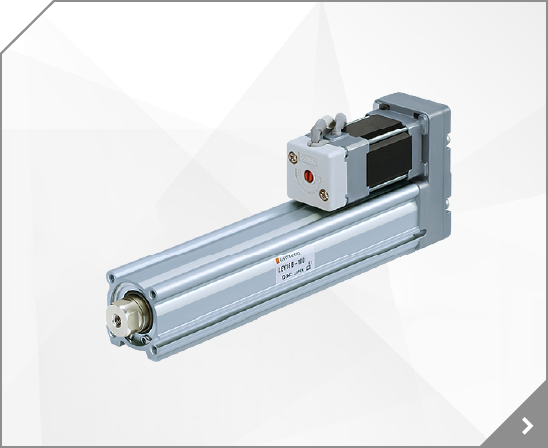
LECP1 series is a programless controller capable of setting up an electric actuator operation without using a PC or teaching box. Through the combination of parallel I/O inputs, 14 points of positioning are available. The speed and acceleration of the positioning can be set by the switch for each operating direction. A single signal sent to a dedicated terminal returns an actuator to
LECP1 series is a programless controller capable of setting up an electric actuator operation without using a PC or teaching box. Through the combination of parallel I/O inputs, 14 points of positioning are available. The speed and acceleration of the positioning can be set by the switch for each operating direction. A single signal sent to a dedicated terminal returns an actuator to
LECP1 series is a programless controller capable of setting up an electric actuator operation without using a PC or teaching box. Through the combination of parallel I/O inputs, 14 points of positioning are available. The speed and acceleration of the positioning can be set by the switch for each operating direction. A single signal sent to a dedicated terminal returns an actuator to
LECP1 series is a programless controller capable of setting up an electric actuator operation without using a PC or teaching box. Through the combination of parallel I/O inputs, 14 points of positioning are available. The speed and acceleration of the positioning can be set by the switch for each operating direction. A single signal sent to a dedicated terminal returns an actuator to
Series LECP6 controller has two available modes for the setting software and teaching box. In the easy mode, the operation can be started by only setting the speed, position, etc. Using the normal mode allows a further detailed setup. A few of the main functions of the LECP6 controller are actuator control, specified force operation, separated power supply, and returning the actuator
LECP1 series is a programless controller capable of setting up an electric actuator operation without using a PC or teaching box. Through the combination of parallel I/O inputs, 14 points of positioning are available. The speed and acceleration of the positioning can be set by the switch for each operating direction. A single signal sent to a dedicated terminal returns an actuator to
LECP1 series is a programless controller capable of setting up an electric actuator operation without using a PC or teaching box. Through the combination of parallel I/O inputs, 14 points of positioning are available. The speed and acceleration of the positioning can be set by the switch for each operating direction. A single signal sent to a dedicated terminal returns an actuator to
LECP1 series is a programless controller capable of setting up an electric actuator operation without using a PC or teaching box. Through the combination of parallel I/O inputs, 14 points of positioning are available. The speed and acceleration of the positioning can be set by the switch for each operating direction. A single signal sent to a dedicated terminal returns an actuator to the
LECP1 series is a programless controller capable of setting up an electric actuator operation without using a PC or teaching box. Through the combination of parallel I/O inputs, 14 points of positioning are available. The speed and acceleration of the positioning can be set by the switch for each operating direction. A single signal sent to a dedicated terminal returns an actuator to
LECP1 series is a programless controller capable of setting up an electric actuator operation without using a PC or teaching box. Through the combination of parallel I/O inputs, 14 points of positioning are available. The speed and acceleration of the positioning can be set by the switch for each operating direction. A single signal sent to a dedicated terminal returns an actuator to
LECP1 series is a programless controller capable of setting up an electric actuator operation without using a PC or teaching box. Through the combination of parallel I/O inputs, 14 points of positioning are available. The speed and acceleration of the positioning can be set by the switch for each operating direction. A single signal sent to a dedicated terminal returns an actuator to
LECP1 series is a programless controller capable of setting up an electric actuator operation without using a PC or teaching box. Through the combination of parallel I/O inputs, 14 points of positioning are available. The speed and acceleration of the positioning can be set by the switch for each operating direction. A single signal sent to a dedicated terminal returns an actuator to